Namibia – the Forgotten Colony, The Project Room, Windhoek 8 & 10.10.2023
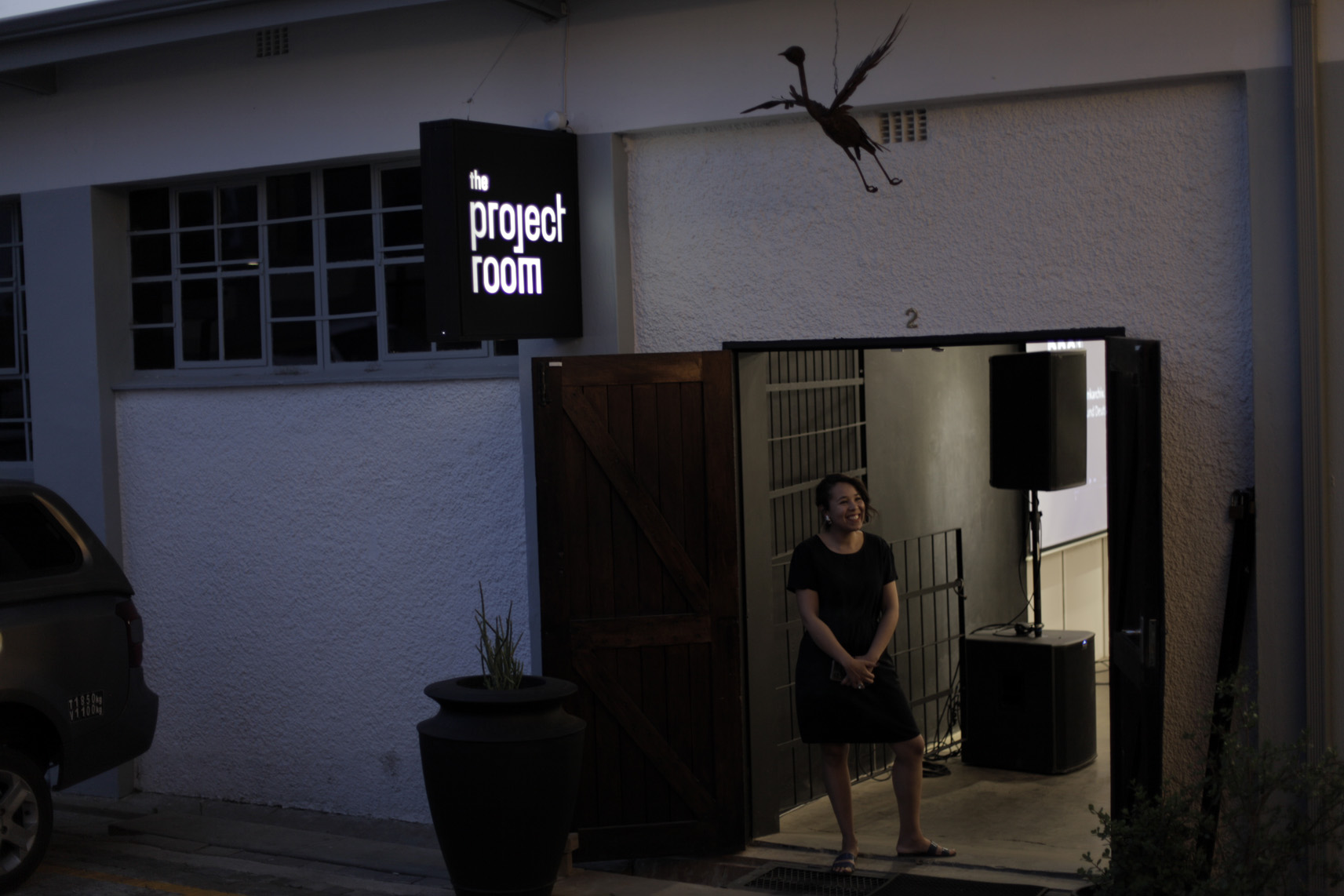
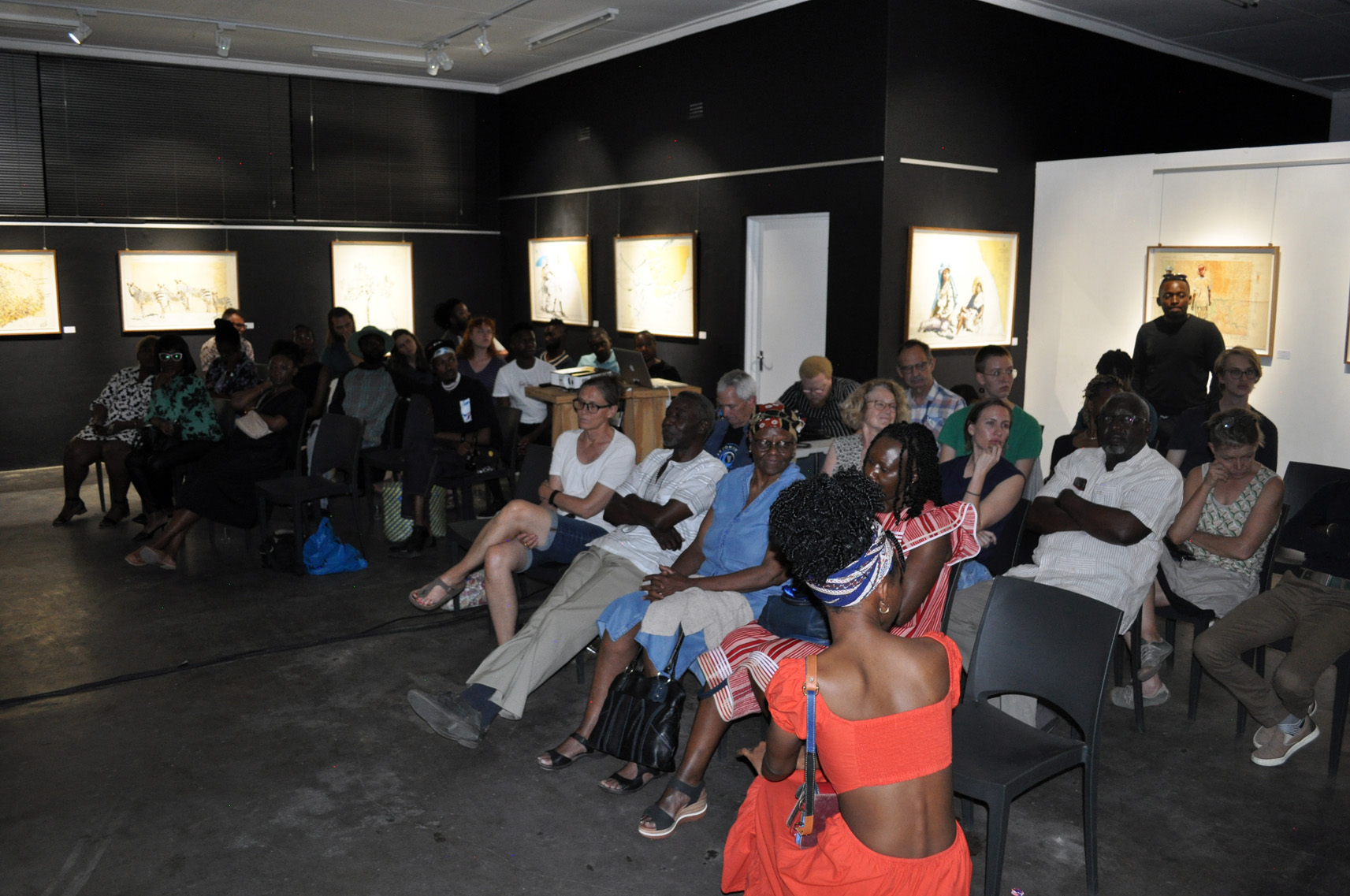
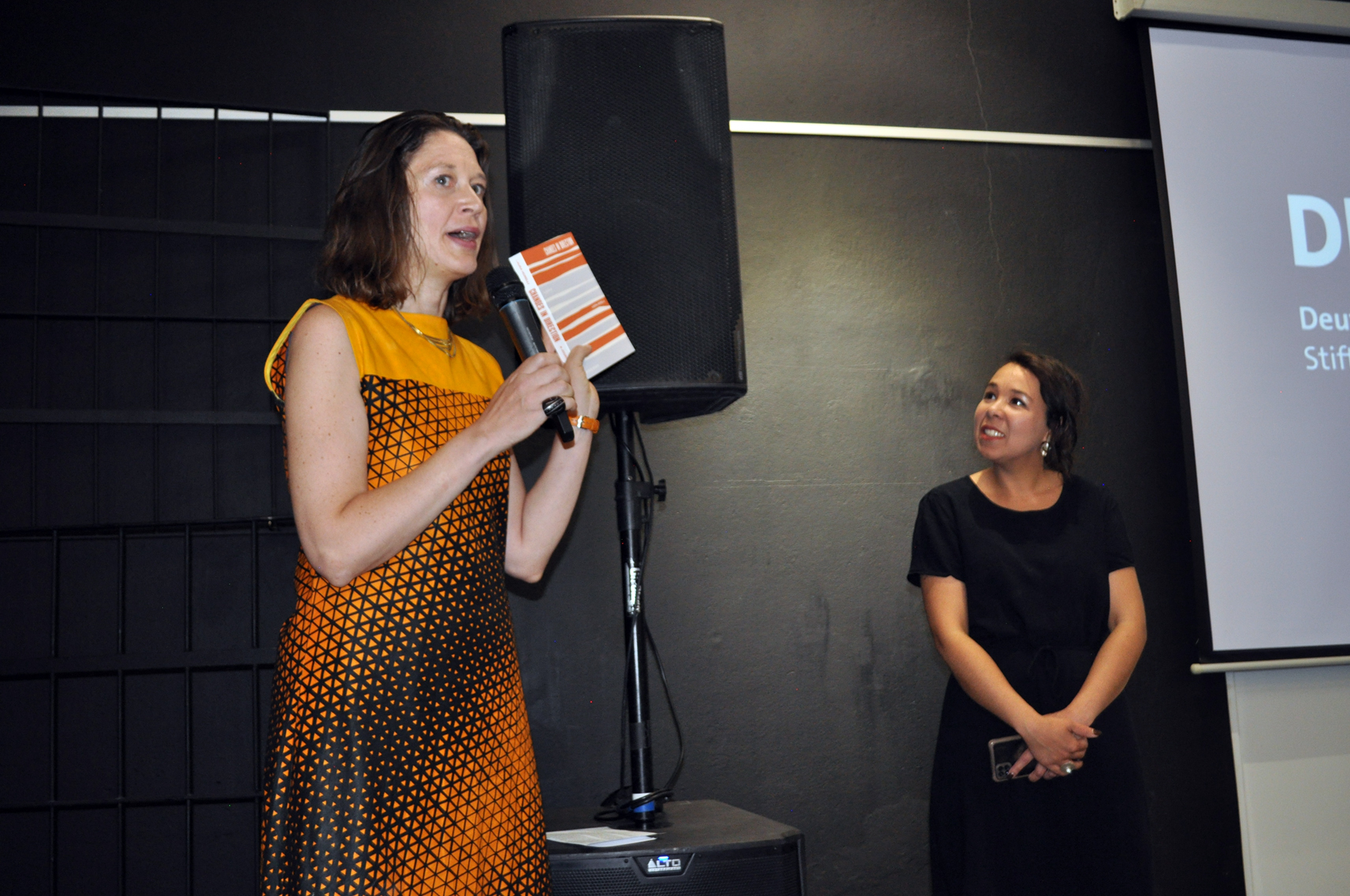
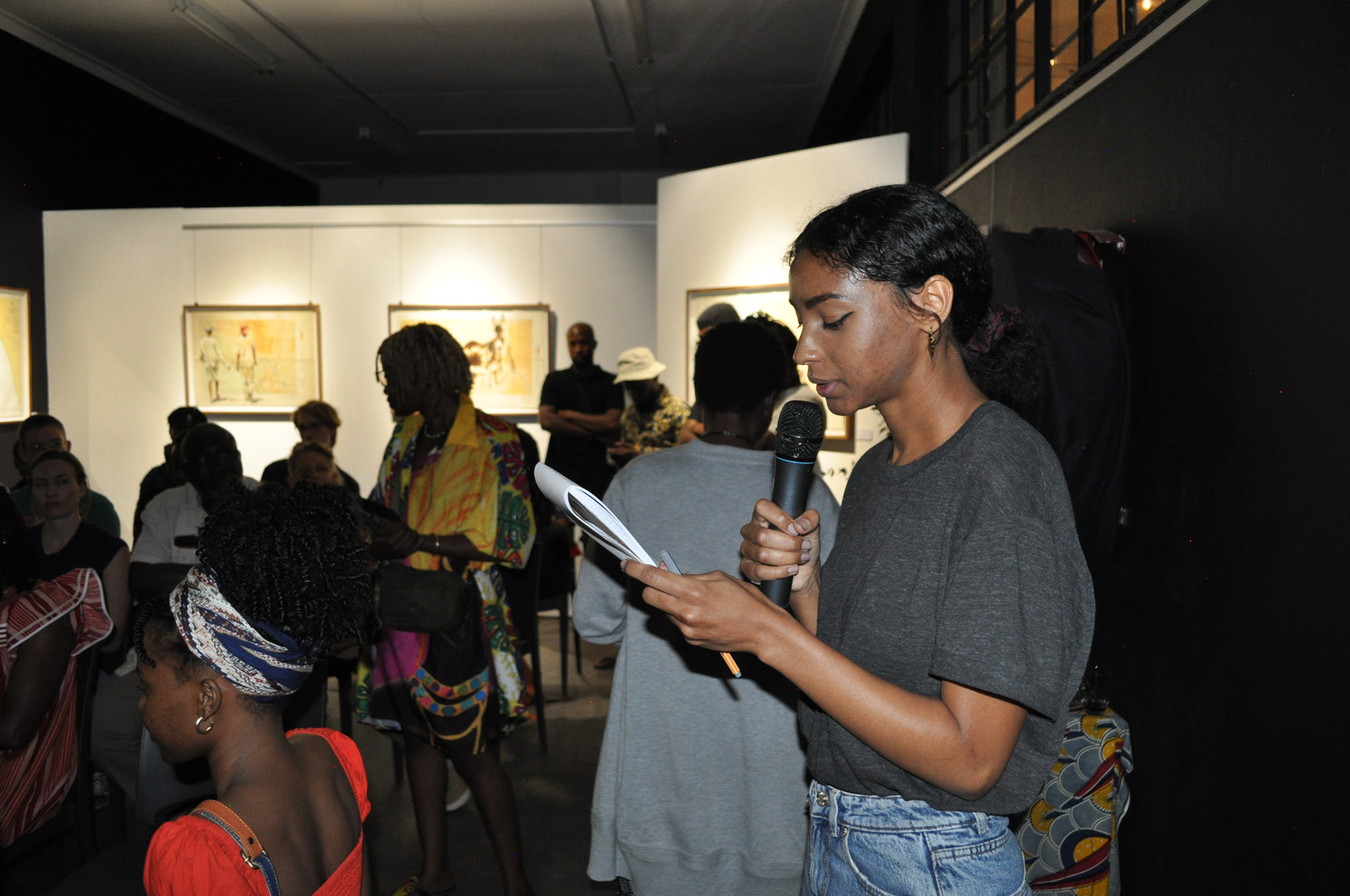
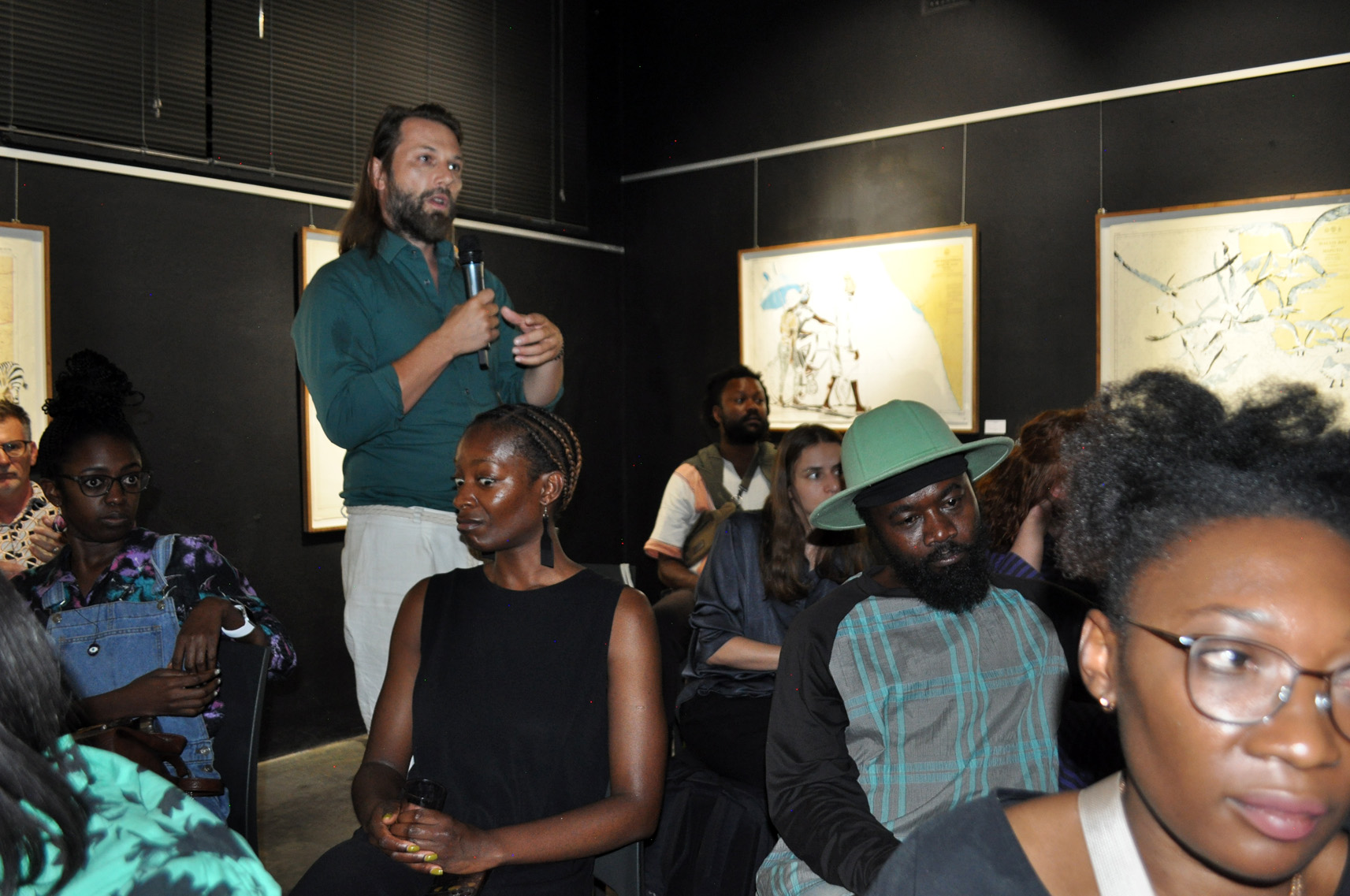


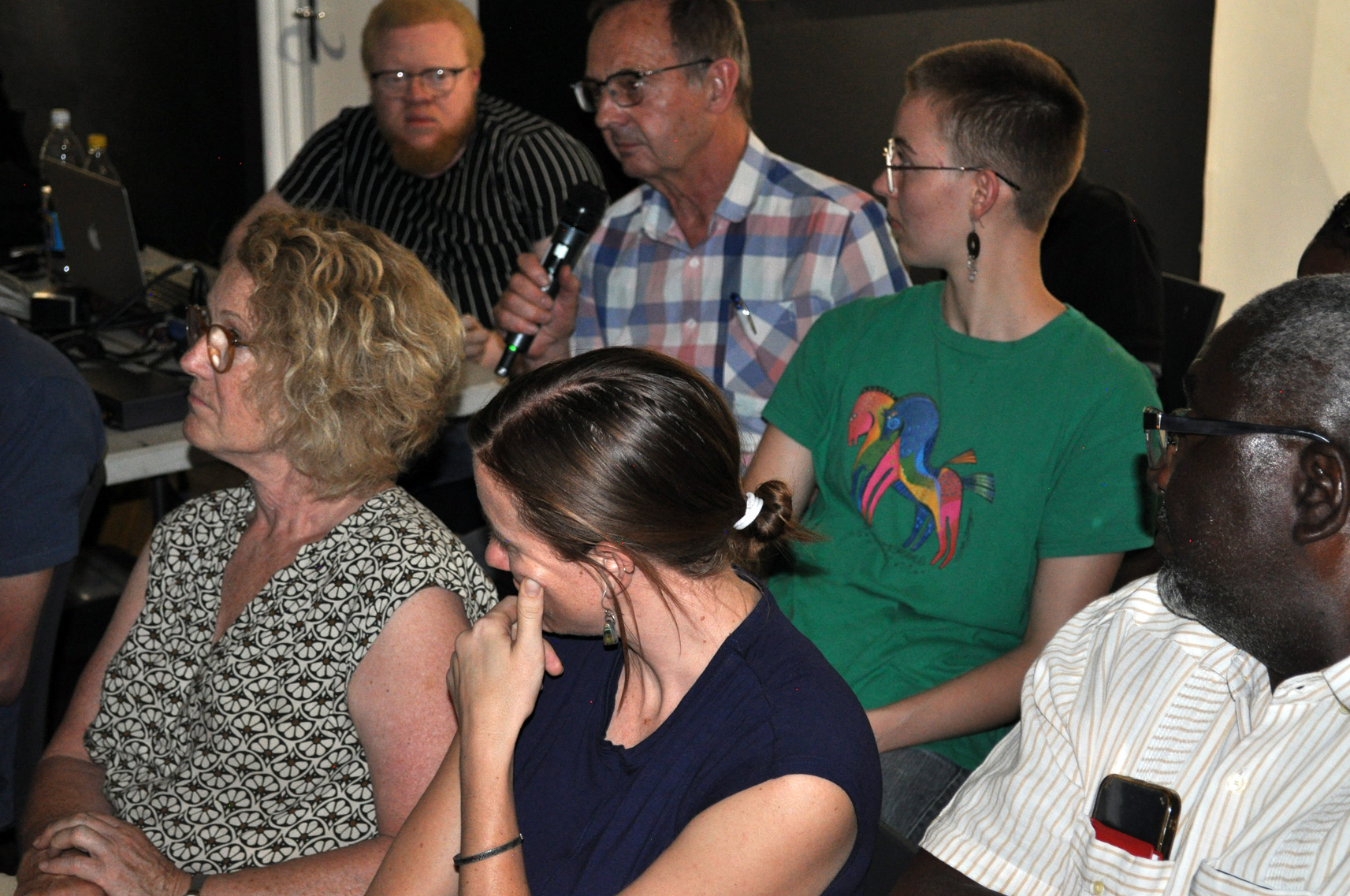

The Project Room hosted the first Namibian screenings of two East German TV documentaries by Dr. Sabine Katins: Wer fürchtet sich vorm schwarzen Mann (1975) and Wenn Sie mich finden, werde ich nicht weinen (1976), later called Namibia – the Forgotten Colony when it was gifted to SWAPO. Both films, found at the German Broadcasting Archives, had been dubbed in German and were subtitled in English for these presentations.
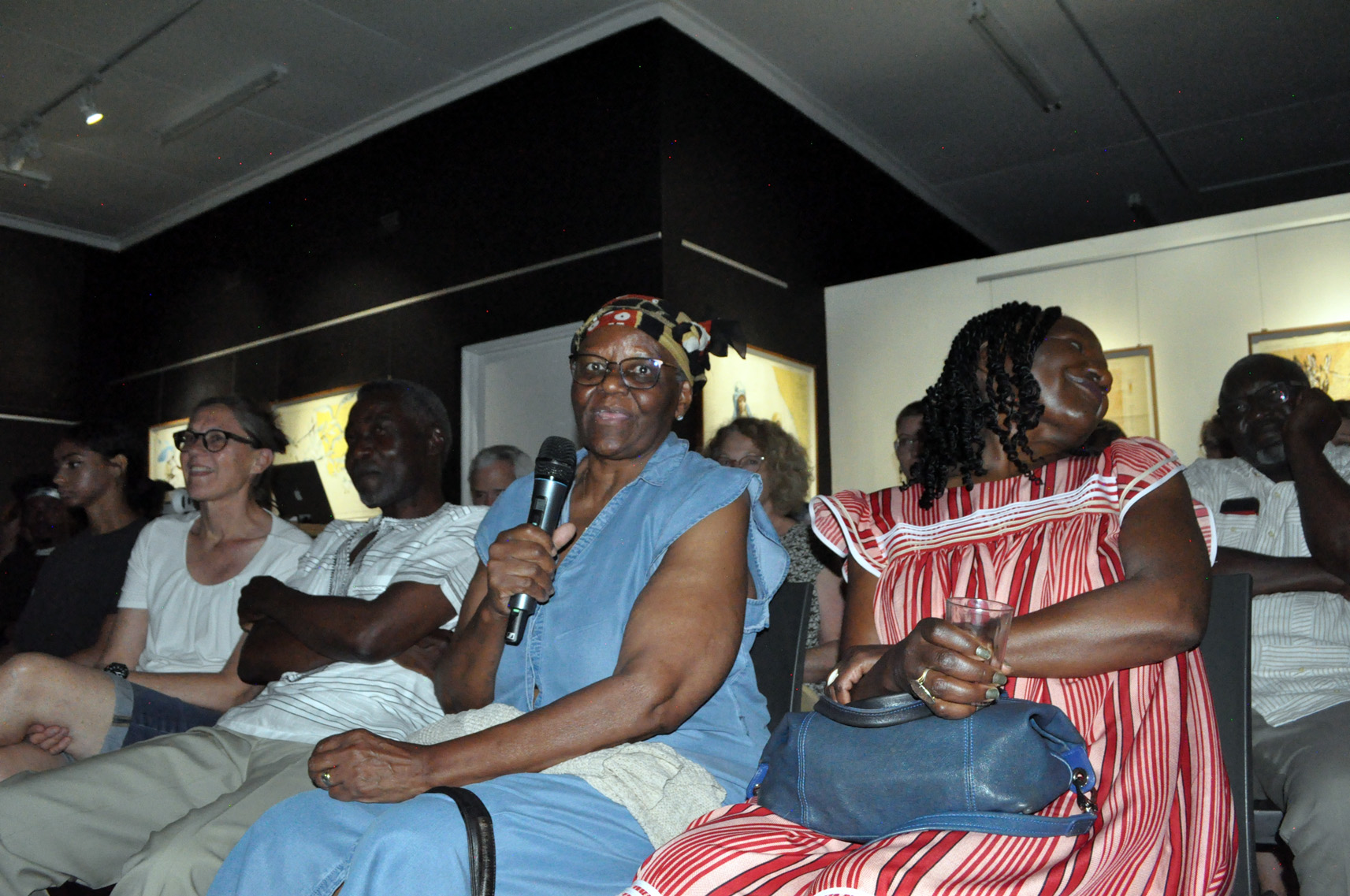
The following discussion provoked questions about accessibility to historical documents such as this film. Several audience members emphasized the importance of this film and other historical documents dealing with the genocide and apartheid being screened in schools and being accessible to the general public. They discussed the kinds of spaces where this film can be screened in order to help break down that barrier in accessibility.
These first screenings evoke many of the questions and ideas that would go on to define the IMAGE RESTITUTION project. Audience members were also able to shed some light on the protagonists (particularly women) who go unnamed in the original film, offering valuable perspectives on the struggle for independence through their own lived experience. This was a painful experience for some, but resulted ultimately in a productive conversation about what the film suggests about the past and future.
At the same time, younger members of the audience expressed a desire to learn more about their own history and drew connections to the injustices still going on to this day, inspired by the bravery of the film’s protagonists. They recognized a disconnect between the generations before and after Independence, with the film offering a window to the past that is not always open due to this intergenerational disconnect and the limited historical records of that time period which exist. Many of the younger audience members were inspired to learn more from the experiences of their parents and grandparents, apply that knowledge to the struggles that persist to this day and approach them with greater wisdom and understanding.
Audience members also mused on the distance the film had at times from a Namibian audience who had not seen it before. The erasure of the indigenous languages spoken by protagonists of the film (though practical for the sake of the film’s original East German audience), demonstrates a limitation in the film’s ability to fully uplift the voices of its Namibian protagonists. The dialogue happening around the film nearly 50 years later helps to correct this by offering a space for a wide variety of unique perspectives to be voiced alongside one another.